13 Sep 2026
Decoding Algorithmic Patterns Behind Player Loyalty Metrics in Digital Gambling Environments
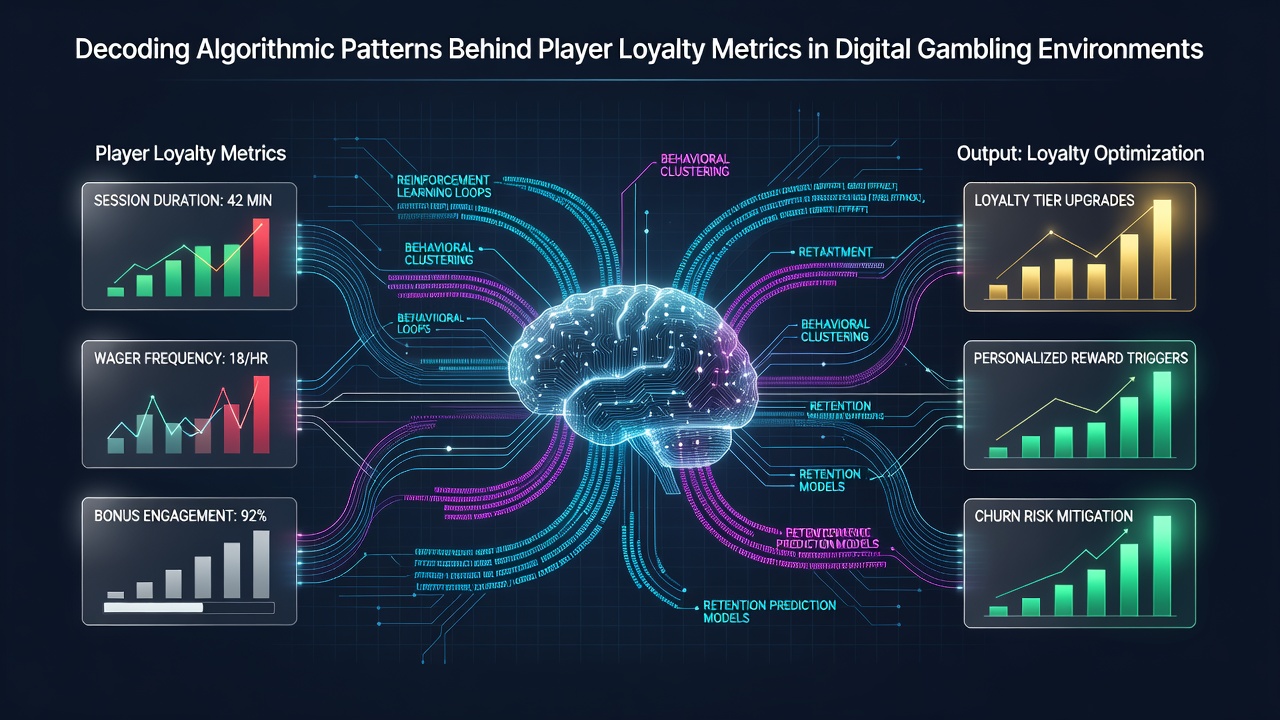
Digital gambling platforms rely on complex algorithmic systems to monitor and interpret player activity, with loyalty metrics serving as central components in retention strategies across global markets. These systems process vast datasets that include session durations, wager frequencies, deposit patterns, and interaction times, allowing operators to build predictive models that identify high-value users and anticipate churn risks. Research indicates that such algorithms often incorporate recency, frequency, and monetary value frameworks, known as RFM analysis, to segment players into distinct categories based on behavioral signals.
Core Components of Loyalty Tracking Algorithms
Operators deploy machine learning models that analyze real-time data streams from player accounts, where variables such as average bet size, game type preferences, and withdrawal habits feed into scoring systems that assign loyalty tiers automatically. Data from industry reports shows these models update continuously, adjusting points allocations and personalized offers without manual intervention in most cases. Experts have observed that clustering techniques group users by similar trajectories, enabling platforms to deploy targeted interventions like bonus structures or loyalty rewards at precise moments when engagement shows signs of decline.
Pattern recognition extends to temporal elements as well, with algorithms detecting weekly or monthly cycles in activity levels that correlate with external factors such as paydays or sporting events. Studies found that incorporating geographic and device data refines these predictions further, since players accessing platforms via mobile during commute hours often exhibit different retention curves than desktop users during evening sessions. In September 2026, updated datasets from multiple jurisdictions highlighted how seasonal variations in these patterns influence overall loyalty program performance metrics.
Integration of Predictive Analytics in Retention Efforts
Predictive models frequently employ regression analysis and decision trees to forecast lifetime value, drawing on historical records that span months or years for each account. Those who've examined platform architectures note that ensemble methods combine outputs from several algorithms to reduce false positives in churn alerts, ensuring resources focus on accounts with genuine attrition signals. Figures reveal that loyalty programs using these layered approaches report measurable shifts in repeat visit rates, though outcomes vary by market size and regulatory environment.
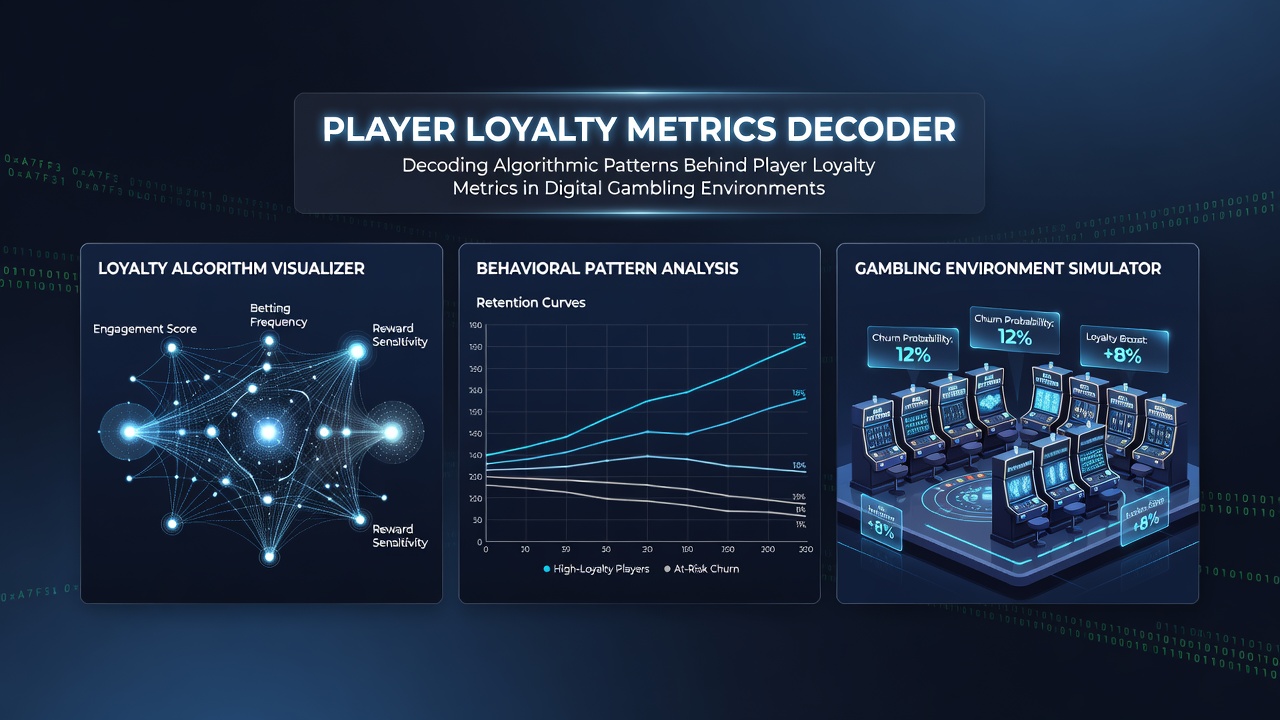
Behavioral triggers within the algorithms activate when thresholds are crossed, such as a sudden drop in session length or an increase in time between logins, prompting automated communications that include tailored promotions. Observers note that reinforcement learning elements allow some systems to refine their recommendations over successive interactions, learning which incentives produce the strongest response from specific player segments. This adaptive quality distinguishes newer implementations from static point-based systems still in use at certain operators.
Regulatory Influences on Algorithmic Practices
Frameworks established by bodies like the Malta Gaming Authority and the Nevada Gaming Control Board require transparency in how player data informs loyalty calculations, with audits examining the fairness of algorithmic decision-making processes. Reports from the American Gaming Association detail how North American operators must document data sources and model logic when loyalty programs intersect with responsible gaming safeguards. Similar requirements appear in Australian regulatory updates, where emphasis falls on preventing algorithms from exploiting vulnerability indicators identified through spending velocity analysis.
Cross-border operations face additional layers of compliance, since algorithms must accommodate differing standards on data retention and player consent across regions. Those who've reviewed compliance filings observe that operators often maintain separate model versions for each jurisdiction to align with local mandates, while sharing core analytical infrastructure. Data shows these adaptations affect the granularity of loyalty metrics available for global benchmarking studies.
Emerging Techniques and Data Sources
Advanced implementations now incorporate graph-based analytics that map social connections between player accounts, identifying influence patterns where one user's activity affects others within the same network. Academic papers from research institutions highlight how natural language processing applied to support chat logs supplements numerical data, revealing sentiment shifts that precede changes in play frequency. In September 2026, several platforms began testing multimodal models that fuse transaction logs with clickstream data to produce more nuanced loyalty forecasts.
External datasets, including anonymized economic indicators and weather patterns in certain markets, occasionally augment internal signals when models demonstrate improved accuracy through their inclusion. Industry organizations continue to publish aggregated findings that compare algorithmic performance across different platform scales, providing benchmarks without disclosing proprietary code.
Conclusion
Algorithmic patterns underlying player loyalty metrics continue to evolve as platforms integrate additional data streams and refine modeling approaches under regulatory oversight. The combination of established statistical methods with newer machine learning applications creates systems capable of processing complex behavioral signals at scale, while geographic variations in rules shape how these tools operate in practice. Ongoing developments in September 2026 and beyond will likely introduce further adjustments as operators balance retention objectives with compliance demands across diverse markets.