11 Oct 2026
Shifts in Player Preferences for Responsible Gaming Tools Across Digital Platforms
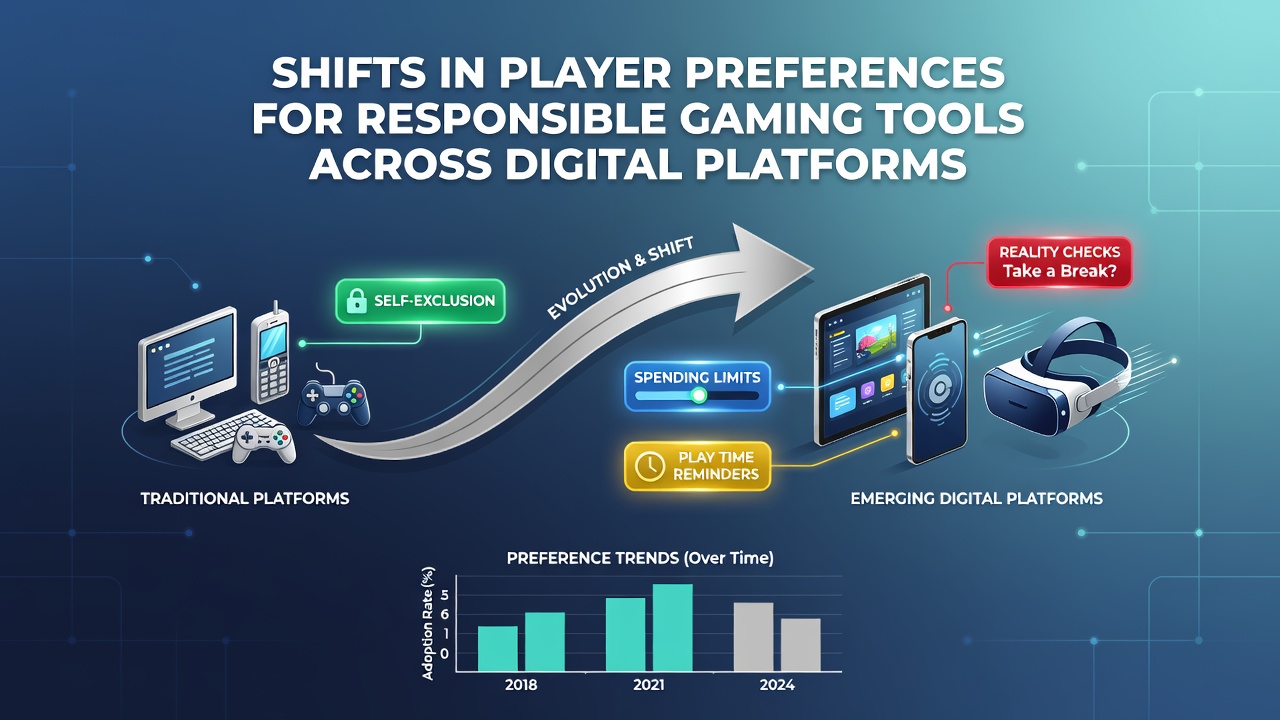
Player preferences for responsible gaming tools have evolved considerably in recent years as digital platforms adapt to new technologies and regulatory environments, and data from multiple regions illustrates how users now favor interactive features over basic restrictions. Researchers at various institutions have tracked these changes through longitudinal studies that compare usage patterns on mobile applications versus desktop interfaces, revealing distinct trends that emerged prominently by October 2026.
Evolution of Tool Adoption Patterns
Early responsible gaming options focused primarily on deposit limits and self-exclusion lists, yet recent figures indicate a marked increase in demand for reality checks and personalized spending alerts that integrate directly into gameplay sessions. One analysis conducted by the National Council on Problem Gambling highlighted how users across North American platforms selected real-time notifications at rates 35 percent higher than in previous reporting periods, while those same users reported lower engagement with static time-out mechanisms. Observers note that this shift aligns with broader changes in how digital services deliver user controls, allowing players to adjust parameters mid-session rather than committing to fixed rules upfront.
Mobile Versus Desktop Preferences
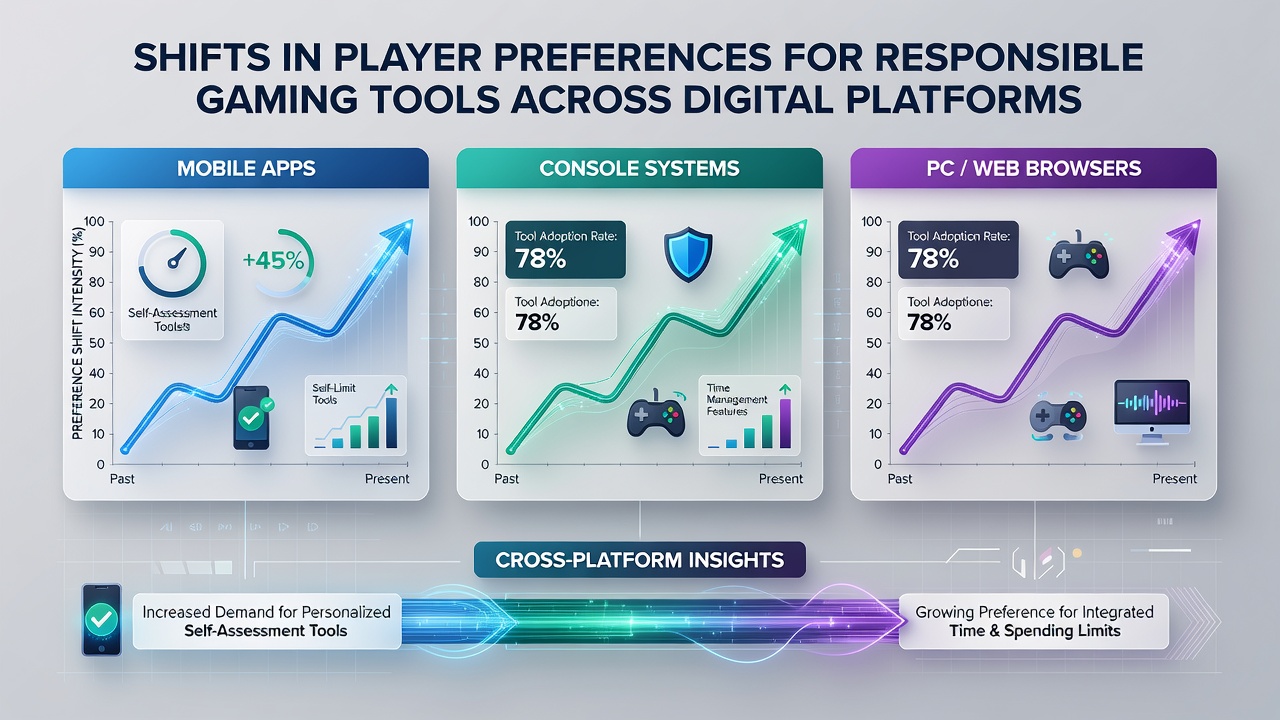
Mobile platforms have driven much of the transformation because they enable seamless access to tools through push notifications and in-app dashboards, whereas desktop environments often require users to navigate separate menus that disrupt the gaming experience. Studies from the Australian Institute of Family Studies found that participants who gambled primarily on smartphones activated voluntary limit-setting features at twice the frequency of desktop users, and these same individuals continued using the tools over extended periods. Data collected through platform analytics further shows that app-based interfaces incorporating biometric reminders, such as fingerprint-authenticated spending reviews, saw adoption rates climb steadily through mid-2026.
Regional Data and Industry Reports
European research consortia released updated metrics in October 2026 that compared tool preferences across several member states, and the results pointed to growing interest in AI-driven risk assessments that predict potential overspending based on historical behavior. Players in these markets increasingly selected tools offering granular control over individual game categories rather than blanket account restrictions, according to aggregated platform reports. Canadian provincial data from the same period echoed similar patterns, with users demonstrating stronger retention when tools included educational pop-ups explaining probability outcomes alongside limit options.
Industry organizations such as the Responsible Gambling Council have documented how these preferences vary by age group, noting that younger cohorts gravitate toward social comparison features that display anonymized peer spending averages, while older players continue to rely more heavily on simple exclusion periods. Platform operators have responded by modularizing their responsible gaming suites, allowing users to mix and match components without committing to comprehensive programs that once dominated the market.
Integration of Emerging Technologies
Artificial intelligence and machine learning components now appear in many responsible gaming suites, enabling platforms to surface tailored suggestions that adapt as player behavior changes over time. Evidence from university-led investigations indicates that systems providing dynamic feedback loops achieve higher continued usage than static alternatives, particularly when integrated into live dealer environments and slot interfaces alike. Those who have examined cross-platform data emphasize that players value transparency in how algorithmic recommendations are generated, leading several operators to publish explanatory summaries alongside their tool interfaces.
What's notable is the move toward interoperable tools that function across multiple operators within a single jurisdiction, reducing friction for users who maintain accounts at several sites. Regulatory frameworks in various regions have begun accommodating these developments by requiring standardized data formats that support seamless transfers of self-exclusion records, and early implementation results from pilot programs suggest improved compliance rates among participants.
Conclusion
Overall patterns reveal that player engagement with responsible gaming tools continues to migrate toward flexible, technology-enhanced options that fit naturally into digital routines rather than interrupting them. Continued monitoring by research bodies across different continents will clarify whether these trends persist or give way to new priorities as platforms incorporate additional innovations in the years ahead.